
*10/22/2025 Update: two volunteers have stepped forward – thank you, Greg Bock and Tammy Cowart of UT-Tyler’s Center for Ethics!*
As an applied ethicist, the Association for Practical and Professional Ethics’s annual conference is the most intellectually satisfying gathering I’ve had the pleasure to attend. My first was in grad school around 2007 (it seems there were several in Cincinnati back then), and it’s always a pleasure to return, especially since the meeting coincides with IEB nationals. You’re among some of the most serious ethicists from across the country (and sometimes from around the world), as well as many of the most dedicated Ethics Bowl organizers, coaches, judges, and participants.
The 2026 APPE conference will be in St. Louis March 5-8. I plan to be there and use the opportunity to not only catch excellent paper presentations, attend a few IEB nationals rounds, and say hi to old friends, but to share my new book. What better audience for Ethics Bowl to the Rescue than professional ethicists and regional Ethics Bowl champs? And a great way for any author to share their work at an APPE meeting is to host an “Author Meets Critics” session.
If you live nearby, can acquire travel sponsorship, or were planning to attend anyway, I need a couple of thoughtful critics, and I’ll make your job super easy. Just email matt (at) mattdeaton.com to confirm your interest, I’ll send you a copy of the book and several ideas. For example:
- The book’s title suggests something Ethics Bowl cannot deliver—a fast and certain “rescue” from our perilous situation.
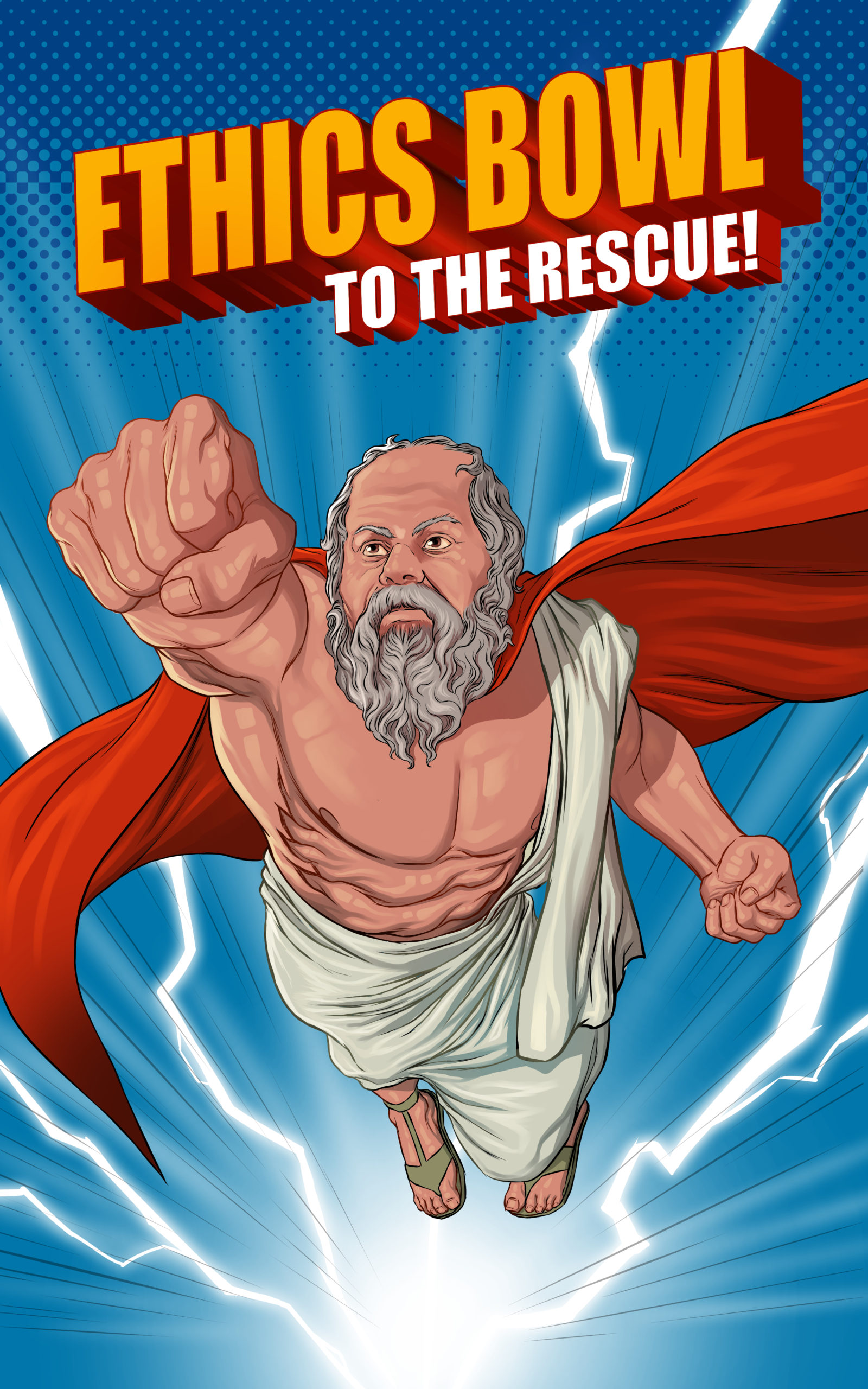
- Deaton repeatedly invokes Socrates throughout the book—on the cover, in the opening chapter, in the Bowls Behind Bars chapter, in the closing chapter—yet presents arguments that are not as rigorous as Socrates himself would have endorsed.
- Ethics Bowl’s peaceful, conciliatory approach to difficult moral and political issues is apt to be taken advantage of by unscrupulous political extremists and therefore ought not be encouraged – Ethics Bowlers ought to be joining debaters rather than the other way around.
- Recruiting ethicists, philosophers, and ethics-minded debaters to join the Ethics Bowl movement risks diverting energy more desperately needed on the front lines of the fight for democracy and justice.
- Deaton’s aggressive denunciation of traditional debate is too heavy-handed and apt to alienate more debaters that it recruits.
- In vigorously advocating for Ethics Bowl and at times attacking and demeaning traditional debate, Deaton adopts what he claims to be arguing to supplant – an attack-style debate-like approach.
- While Deaton claims to be a serious ethicist and friend of high moral standards, he mentions several behaviors unbecoming of a moral exemplar, including:
- Training martial arts, which are violent
- Driving an F-150 across the country, contributing to greenhouse gas emissions
- Recommending that Ethics Bowl teams and educators learn to use AI as a coach and thought partner, completely neglecting AI’s extreme power consumption and potential impact on the environment
I have responses to the above, but not all will be fully satisfactory, and I’m OK with that. The book wasn’t intended to be a bulletproof philosophical argument, but an Ethics Bowl recruiting tool, which means in many cases readability, personability, and entertainment overrode logical rigor.
Really, it’s ripe for critique. So if you’re up for joining my Author Meets Critics session at the 2026 APPE conference next March in St. Louis, let’s do it!